

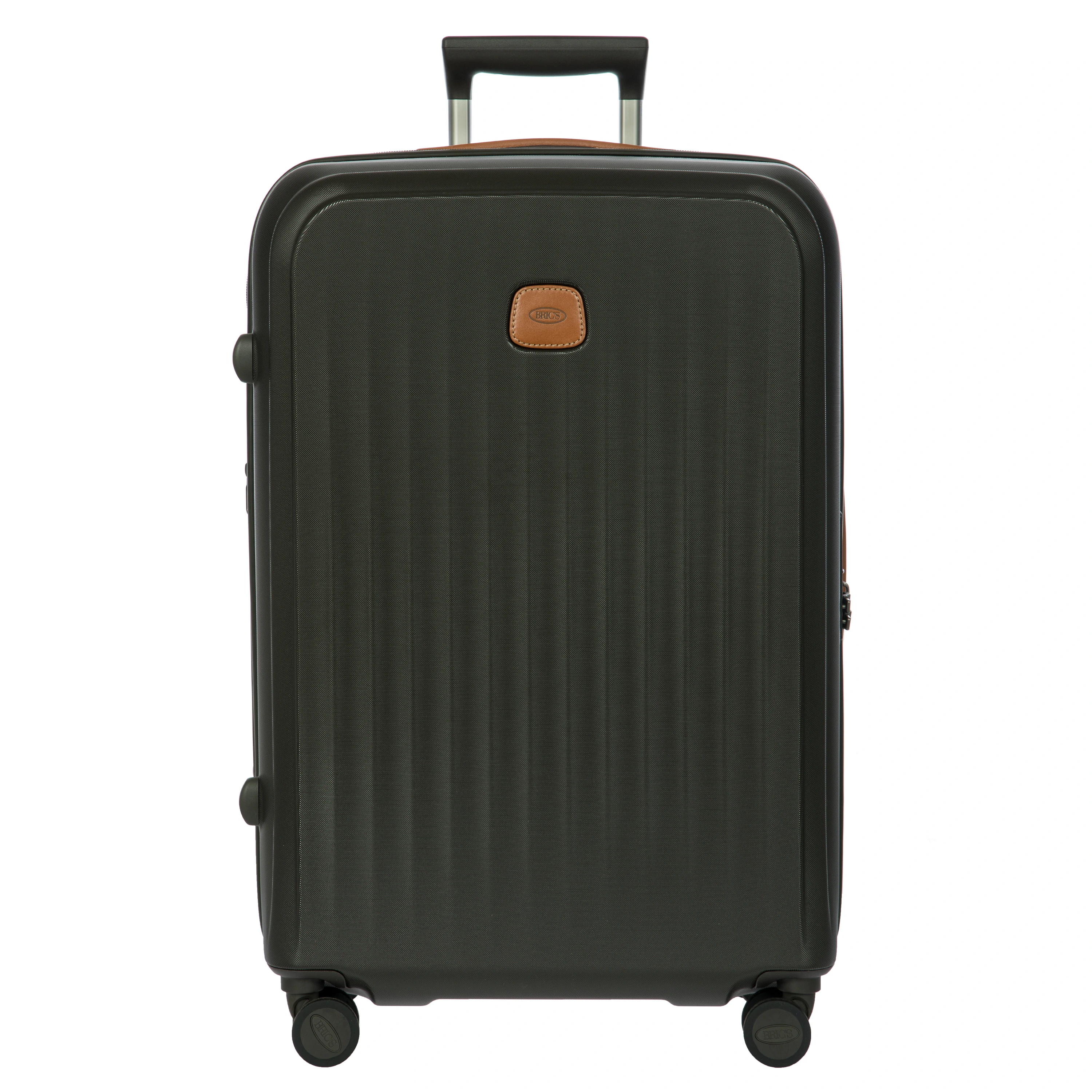
By EAN, article number, color, and image sequence.
Each image linked to the correct item, with background, crop, and dynamic scale: from handbag to trolley.
The supplier file is linked, isolated, and automatically scaled.
By EAN, article number, color, and image sequence.
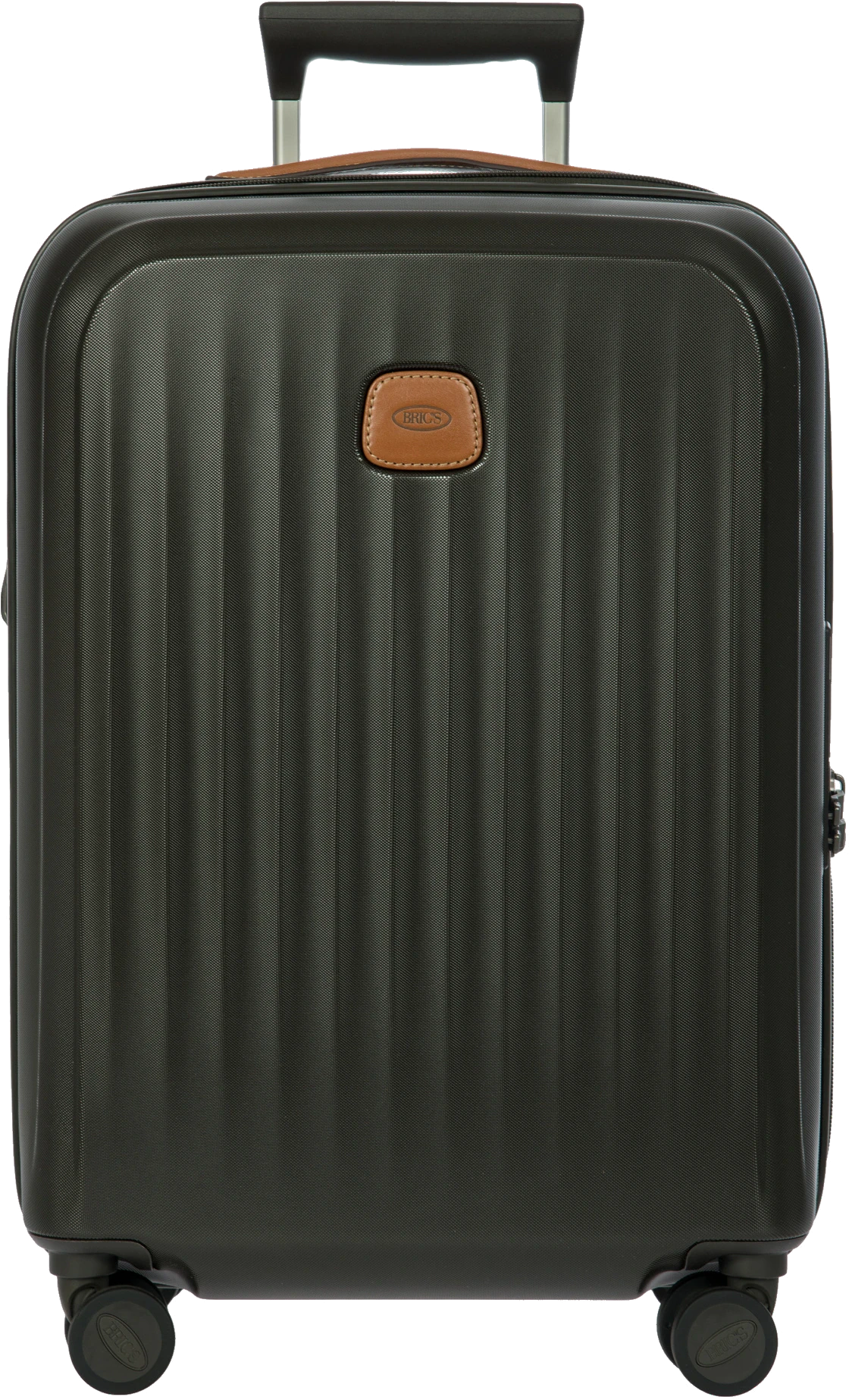
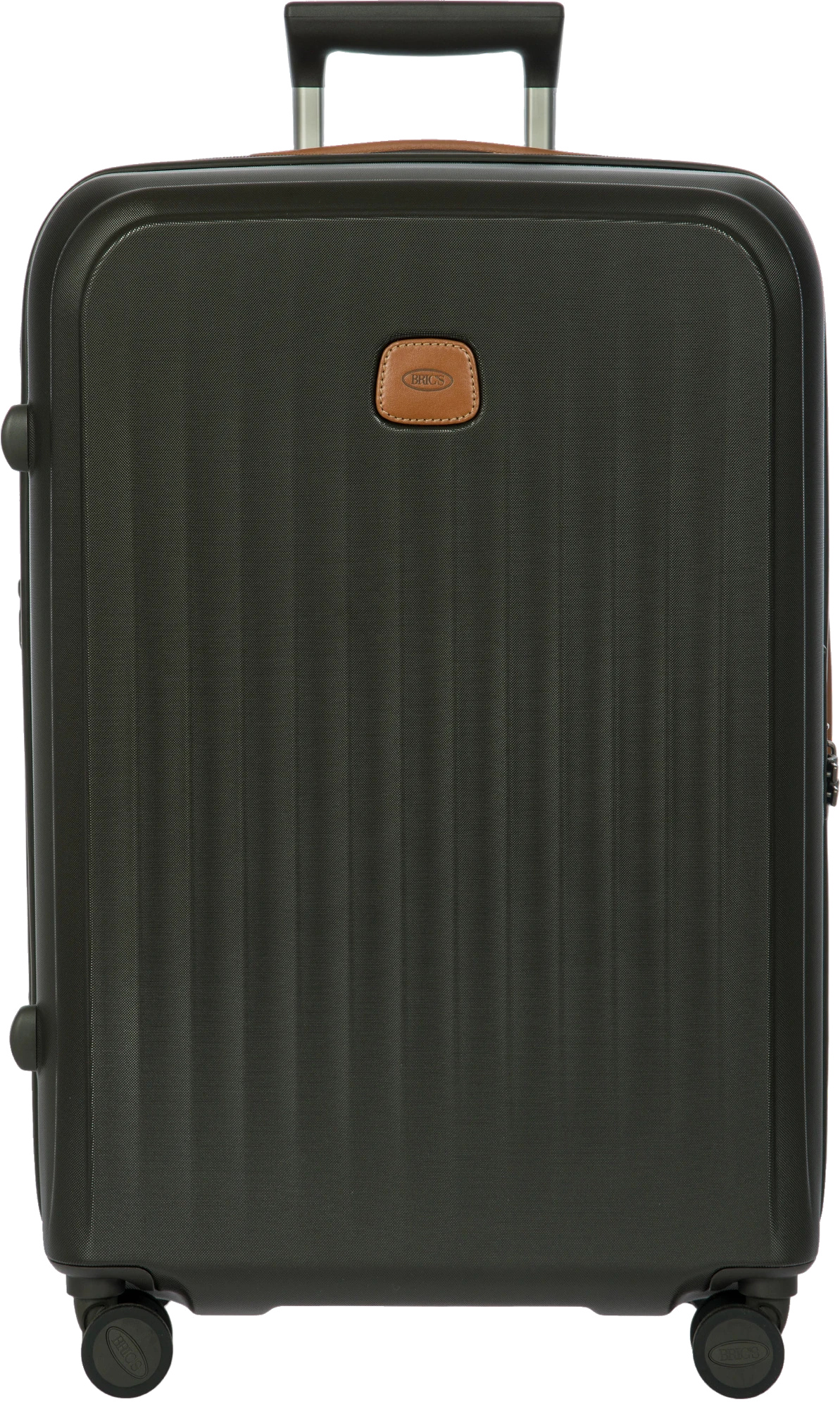
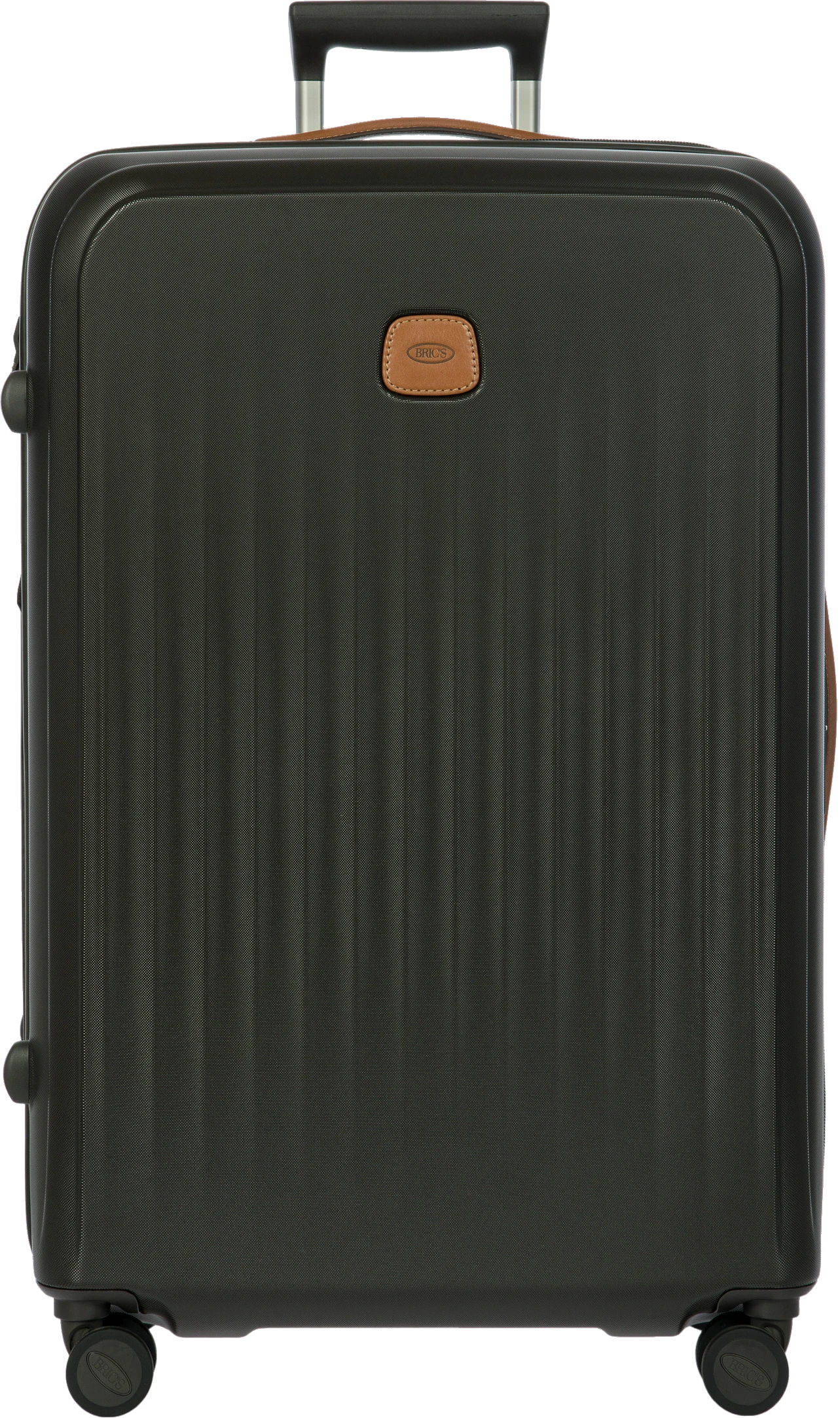
Each canvas follows your own aspect ratio and fixed rules; the item height determines how much space the suitcase occupies.
Combine suitcase sizes, travel bags, and accessories into one recognizable set. The relative scale and matching products remain linked.
Width, depth, and height from ERP control the scale and image margin. The product body is set on a fixed baseline; handles, retractable grips, and wheels do not affect the product size.
In a demo, we map out your sources, product types, and channels.
Width, depth, and height from your ERP dictate the scale and image margin. The product body is on a fixed baseline, ensuring handbag, backpack, and trolley fit the same grid.
No. Only the body of the product determines the scale; handles, extendable grips, and wheels are recognized but not counted.
Supplier images or your own photos and the article data from your ERP or PIM, including dimensions. If sizes are missing or deviate, the article remains visible as an exception.
Yes, the Duifhuizen case. Item sizes are the anchor there: a compact bag gets a different zoom than a large suitcase, and the team decides which image proceeds.